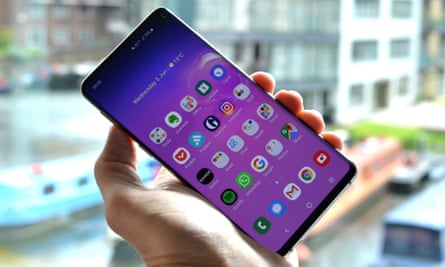
10 Surprising Features of Your Smartphone You Didn't Know About
Your smartphone is not just a communication device; it's a powerful tool packed with features that can simplify your life in unexpected ways. Here are 10 surprising features of your smartphone that you may not know about:
- Voice Assistants: Most smartphones come equipped with voice assistants that can perform tasks like setting reminders, making calls, or even telling jokes, all with just your voice.
- Hidden Games: Some smartphones have hidden games or Easter eggs that can be accessed through specific settings. For example, the 'Android version' settings often include a fun game.
- Magnifying Glass: Many smartphones have a feature that allows you to use the camera as a magnifying glass. This is particularly useful for reading small print.
- Screen Recording: Did you know you can record what's happening on your screen? This feature is ideal for creating tutorials or sharing gameplay footage.
- Translate with Camera: Some smartphones allow you to point your camera at foreign text, and it will translate it instantly, making travel a breeze.
- Battery Optimization: Most modern smartphones come with built-in battery optimization features that help prolong battery life by managing background apps.
- Secure Folders: You can create secure folders to hide sensitive photos or documents from prying eyes, adding an extra layer of privacy to your digital life.
- Wi-Fi Calling: If your cellular signal is weak, Wi-Fi calling lets you make calls using Wi-Fi, which can be a game-changer in certain environments.
- Remote Control: Your smartphone can act as a remote control for various devices like TVs, air conditioners, and even smart home devices.
- Fitness Tracking: Many smartphones are equipped with health apps that track your steps, sleep patterns, and other fitness-related data, helping you maintain a healthy lifestyle.
Counter-Strike is a highly popular tactical first-person shooter game that has become a staple in competitive gaming. Players engage in intense team-based matches where strategy, communication, and skill are essential for victory. In addition to gaming, if you're looking for protection for your new phone, check out the Top 10 iPhone 17 Pro cases which provide both style and safety.
How Smartphones Learn and Adapt: The AI Behind Your Device
The evolution of smartphones has been significantly driven by advancements in artificial intelligence (AI), enabling these devices to learn from user behavior and adapt to individual preferences. Through machine learning algorithms, smartphones can analyze vast amounts of data, such as user interactions, social media activity, and even environmental conditions. This capability allows for personalized experiences, such as optimizing battery life based on usage patterns and providing tailored recommendations for apps and services.
Moreover, AI contributes to enhanced features like voice recognition and image processing. For instance, virtual assistants utilize natural language processing to understand and respond to user queries more effectively. Additionally, AI-enabled camera systems can recognize scenes and adjust settings automatically for improved photo quality. As smartphones continue to integrate more sophisticated AI technologies, their ability to learn and adapt will elevate user experience to unprecedented levels, making our devices not just tools, but intelligent companions.
Is Your Smartphone Smarter than You? Exploring Intelligent Features and Capabilities
In today's digital age, smartphones have become an integral part of our daily lives, often seemingly surpassing our own cognitive abilities. With features like voice recognition, artificial intelligence, and advanced algorithms, these devices can interpret commands, predict user behavior, and even assist with tasks that require extensive research. For instance, with a simple voice command, your smartphone can provide instant answers from a vast database, making you wonder: is your smartphone smarter than you? Moreover, with capabilities like facial recognition and personalized recommendations, smartphones are designed to learn from user interactions, adapting their functionalities to better serve individual needs.
Moreover, the integration of smart assistants such as Siri, Google Assistant, and Amazon Alexa into smartphones showcases their growing intelligent features. These assistants not only help set reminders or make calls but also engage in conversations, provide directions, and even control other smart home devices. As such, users often rely on these tools to perform tasks that would traditionally require human intellect. To illustrate, think about how often you ask your smartphone for information or assistance: this reliance highlights a fundamental question of modern technology—are we allowing our smartphones to overstep our cognitive functions? With their ever-evolving capabilities, it's clear that the line between human intelligence and machine capability is becoming increasingly blurred.