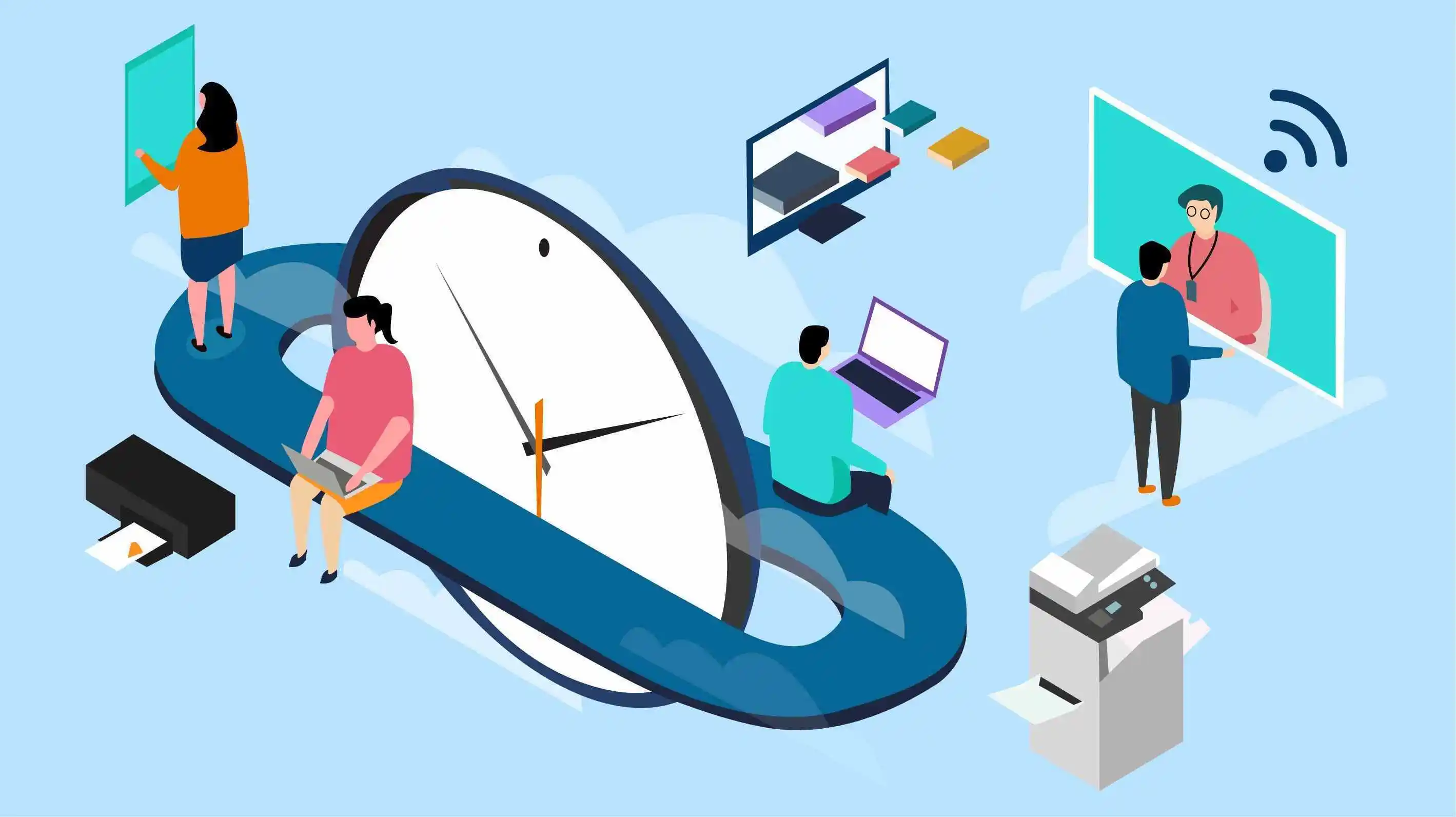
The Productivity Paradox: Why Being Busy Doesn't Equal Being Efficient
The concept of the productivity paradox highlights a crucial truth in the modern workplace: being busy does not necessarily lead to increased efficiency. In fact, many people find themselves caught in a cycle of constant activity, often leading to burnout without tangible results. This phenomenon can be attributed to several factors, including poor time management, the lack of clear goals, and the overwhelming nature of multitasking. It’s essential to recognize that the time spent on various tasks does not equate to productivity; instead, it’s the quality and impact of those tasks that truly matter.
To address the productivity paradox, individuals and organizations should focus on strategies that prioritize effective work habits over sheer busyness. Implementing techniques such as the Pomodoro Technique, setting specific priorities, and minimizing distractions can help improve efficiency. Additionally, regular breaks and reflective practices can promote a healthier work-life balance, allowing for enhanced creativity and problem-solving. By shifting the focus from mere activity to meaningful productivity, we can better harness our time and energy for optimal results.
Counter-Strike is a highly popular first-person shooter game that has captivated gamers since its initial release in 1999. It features team-based gameplay, where players choose to be either terrorists or counter-terrorists, completing objectives or eliminating the opposing team. For gamers looking for the best accessories, check out the Top 10 iPad Cases with Pencil Holders to enhance their gaming experience on mobile devices.
Multitasking Myths: Debunking the Illusion of Being More Productive
Despite the popular belief that multitasking increases productivity, research reveals that it often leads to decreased efficiency. When individuals attempt to juggle multiple tasks at once, their brains become overwhelmed, resulting in longer completion times and increased chances of errors. A study by the American Psychological Association found that workers who frequently engage in multitasking are less effective than those who focus on one task at a time. This is due to the cognitive load imposed by switching attention between tasks, which can hinder overall performance.
Another common myth surrounding multitasking is that it enhances creativity. However, studies show that creativity often thrives in environments that allow for deep focus and uninterrupted thought. In fact, a report from Stanford University indicates that heavy multitaskers struggle to filter out irrelevant information and maintain attention on critical tasks. By prioritizing single-tasking and dedicating time to concentrate fully on one project, individuals can drastically improve their productivity and creative output. So, instead of trying to do it all at once, consider embracing a more focused approach to your work.
Are You Really Multitasking? Understanding the Cost of Divided Attention
In today's fast-paced world, the concept of multitasking is often glorified as a necessary skill for maximizing productivity. However, research shows that our brains are not equipped to handle multiple tasks simultaneously. When we attempt to juggle various responsibilities, such as responding to emails while participating in a conference call, we experience what's known as divided attention. This can result in a decrease in overall efficiency, leading to mistakes and misunderstanding. According to studies, switching between tasks can cost as much as 40% of your productivity, making you less effective in the long run.
Understanding the cost of divided attention is essential for improving focus and performance. Not only does multitasking undermine our ability to concentrate, but it can also create unnecessary stress and mental fatigue. Take a moment to reflect on your daily habits: are you checking your phone while having a conversation? Are you trying to tackle your to-do list while watching TV? These common practices can have detrimental effects on your cognitive abilities. By prioritizing single-tasking and eliminating distractions, you can enhance your productivity and achieve your goals more efficiently.