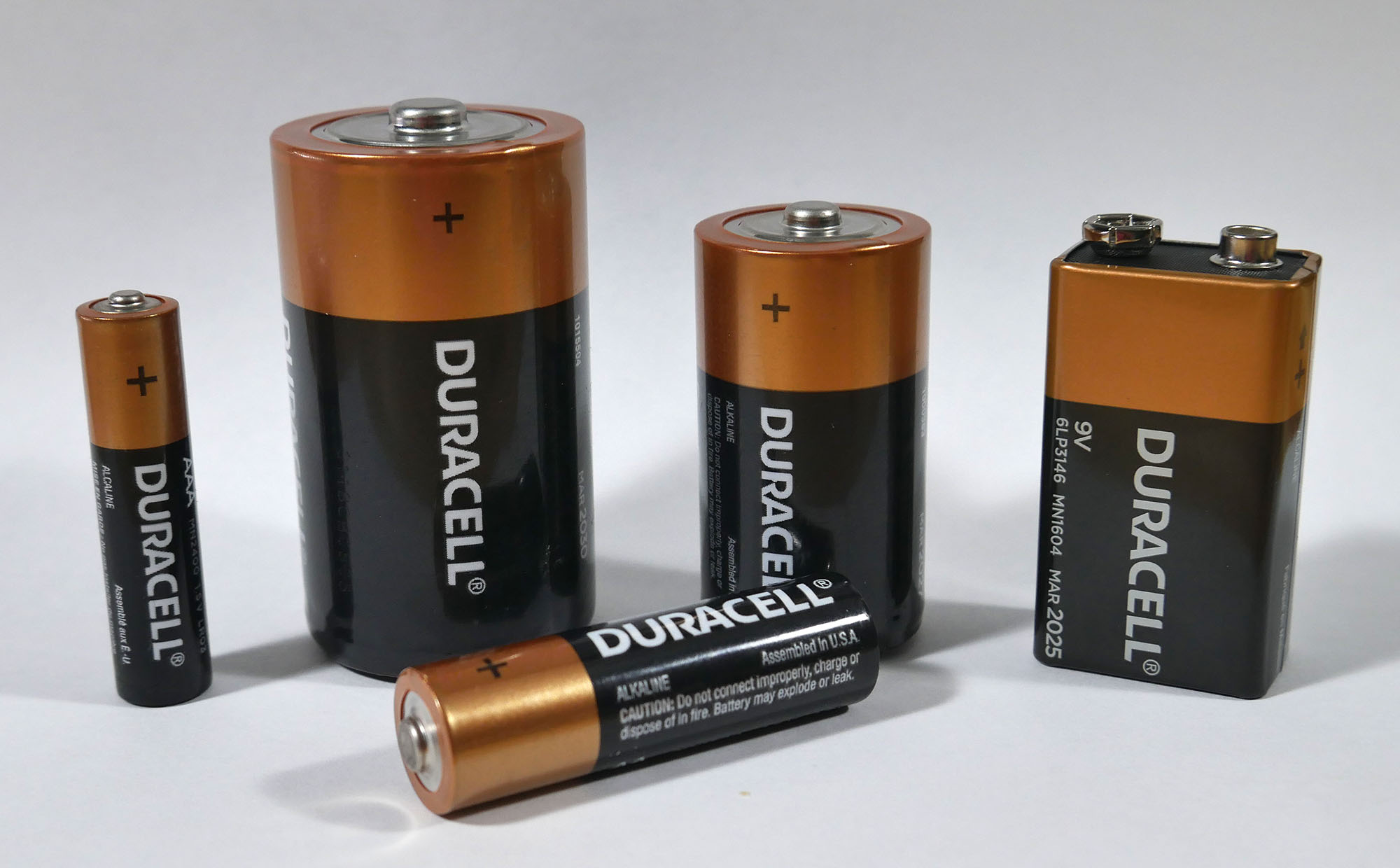
10 Surprising Battery Facts That Will Shock You
Batteries are an essential part of our daily lives, powering everything from smartphones to electric vehicles. However, there are many surprising battery facts that might just shock you! For instance, did you know that the first rechargeable battery was invented in 1800? The Voltaic Pile, created by Alessandro Volta, was designed for long-lasting energy but its practical use was limited until advancements in technology were made. Moreover, lithium-ion batteries, commonly used today, can weigh up to 3,000 times less than their lead-acid counterparts while providing greater energy efficiency.
Another shocking fact is the environmental impact of battery production. Manufacturing lithium-ion batteries requires significant natural resources, including lithium, cobalt, and nickel, which raises concerns about sustainability and ethical sourcing. Furthermore, roughly 60% of cobalt is mined in the Democratic Republic of Congo, where labor practices have faced criticism. Lastly, you might be surprised to learn that regular alkaline batteries can be recycled, yet only about 10% of them are! Prioritizing battery recycling can greatly reduce environmental harm and conserve resources.
Counter-Strike is a highly popular first-person shooter game that pits teams of terrorists against counter-terrorists in various objectives. Players can buy weapons and gear at the start of each round, which adds a strategic element to gameplay. For those looking to enhance their gaming experience on their devices, check out the Top 10 iPhone cooling fans to keep your device cool during intense matches.
How Do Batteries Work? The Science Behind Your Everyday Devices
Understanding how batteries work is crucial for appreciating the technology behind our everyday devices. At the heart of a battery's operation are two electrodes: the anode and the cathode, which are submerged in an electrolyte solution. When the battery is connected to a device, a chemical reaction occurs that generates an electric current. Electrons flow from the anode to the cathode, which powers your gadgets. This process can be simplified as:
- Electrons move from the anode to the cathode.
- A chemical reaction produces free electrons.
- Electric current powers the device.
The efficiency and longevity of a battery depend on its materials and design. Different types of batteries, such as alkaline, lithium-ion, and nickel-metal hydride, utilize various chemical processes and materials to achieve varying energy densities and recharge capabilities. For instance, lithium-ion batteries have gained popularity due to their high energy density and lightweight nature, making them ideal for smartphones and electric vehicles. As technology evolves, innovations in battery chemistry promise to enhance performance, efficiency, and sustainability for our modern devices.
What Happens to Batteries in Extreme Temperatures?
Extreme temperatures can have a profound impact on battery performance and longevity. When exposed to high temperatures, often above 95°F (35°C), batteries may experience increased chemical activity that can lead to faster discharging, reduced capacity, and even thermal runaway. On the other hand, cold temperatures, typically below 32°F (0°C), can slow down the chemical reactions within the battery, resulting in decreased performance and a shorter operating time. It is crucial for users to be aware of these temperature thresholds to maintain optimal battery health.
Moreover, fluctuations in temperature can affect not only the battery's efficiency but also its safety. For instance, when batteries are subjected to extreme heat, they can swell or leak, posing potential hazards. In contrast, extreme cold can cause electrolytes to freeze, leading to physical damage and internal short circuits. To mitigate these risks, it is advisable to store batteries in a temperature-controlled environment and to avoid using them in conditions that exceed their specified thermal limits.