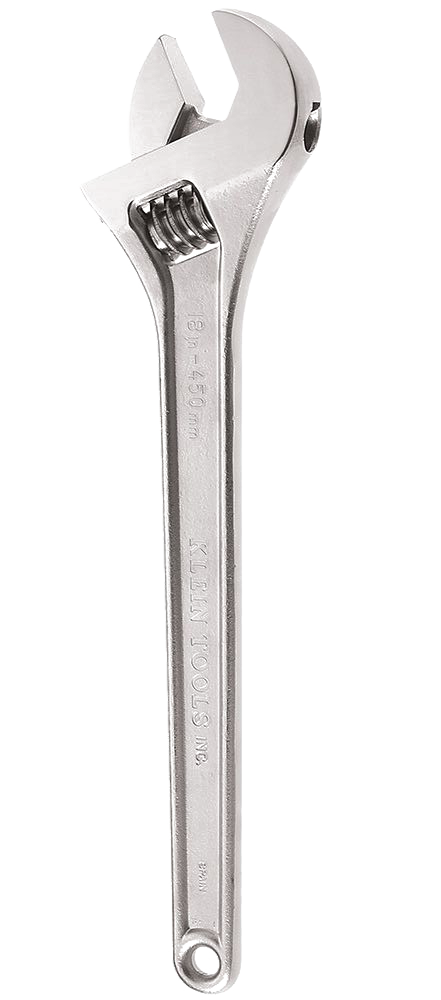
5 Key Benefits of Embracing Flexibility in Your Daily Life
Embracing flexibility in your daily life can lead to significant benefits that enhance your overall well-being. Firstly, adaptability allows you to manage stress more effectively. When unexpected challenges arise, those who are flexible can adjust their plans and maintain a positive outlook, reducing feelings of anxiety. Secondly, flexibility promotes creativity. By being open to new ideas and experiences, you cultivate a mindset that thrives on innovation, enabling you to solve problems in unique ways.
Moreover, practicing flexibility can improve your relationships. Being open to others' perspectives fosters a deeper connection and encourages collaboration. Thirdly, embracing flexibility leads to a healthier work-life balance. Instead of rigidly adhering to a strict schedule, flexibility allows for adjustments that can enhance productivity while ensuring you still make time for yourself. Lastly, by integrating flexibility into your lifestyle, you increase your overall resilience, preparing you to tackle life's uncertainties with confidence and poise.
Counter-Strike is a popular first-person shooter game that pits teams of terrorists against counter-terrorists in various objective-based scenarios. With its fast-paced gameplay and strategic depth, it has become a staple in the esports community, where players compete in tournaments worldwide. For those looking to enhance their gaming experience while maintaining comfort, check out the Top 10 Apple Watch Bands for Sweating to keep track of your stats while you play.
How to Cultivate an Adjustable Mindset for Personal Growth
To cultivate an adjustable mindset for personal growth, it's essential to first embrace the concept of flexibility. A strong foundation is built upon the understanding that our thoughts and beliefs are not set in stone. Start by acknowledging your current mindset and identify any limiting beliefs that hold you back. You can use a simple exercise by listing three specific areas in your life where you feel constrained and brainstorm alternative perspectives. This practice not only broadens your outlook but also creates a pathway for ongoing personal development.
Once you've identified and challenged your limiting beliefs, it’s time to actively practice an adjustable mindset. Engaging in lifelong learning is crucial; consider allocating at least 30 minutes a day to new skills or topics that interest you. Additionally, surround yourself with people who inspire growth—connect with mentors, join community groups, or engage in online forums. Remember, cultivating an adjustable mindset is a continuous journey that thrives on curiosity and kindness, both toward yourself and others.
What Does it Mean to Live an Adjustable Life?
Living an adjustable life means embracing flexibility in various aspects of your existence, allowing you to adapt to the inevitable changes and challenges that life presents. This concept encourages individuals to cultivate a mindset of resilience, recognizing that unforeseen circumstances can arise. For instance, whether it's in your career, personal relationships, or daily routines, having the ability to pivot and adjust can lead to greater satisfaction and success. By prioritizing adaptability, you not only enhance your problem-solving skills but also open yourself up to new opportunities and experiences.
To fully embrace an adjustable life, it's essential to incorporate practices that promote mental and emotional flexibility. This can include mindfulness techniques, such as meditation or journaling, which help you become more aware of your thoughts and feelings, allowing for better responses to stressors. Additionally, considering the following strategies can be beneficial:
- Identify areas in your life where rigidity exists.
- Set realistic goals that accommodate change.
- Regularly assess and adjust your priorities.
By implementing these approaches, you can create a more balanced and fulfilling life that thrives on adaptability.